Key takeaways
- Choose a contractor who walks the yard and marks the line before talking about numbers.
- Ask to see finished curbing that is a few seasons old, not only new work.
- Check the licensing and insurance rules that apply and ask for proof.
- Get a written scope that covers shape, pattern, color, base, sealing and cleanup.
Start with a site visit
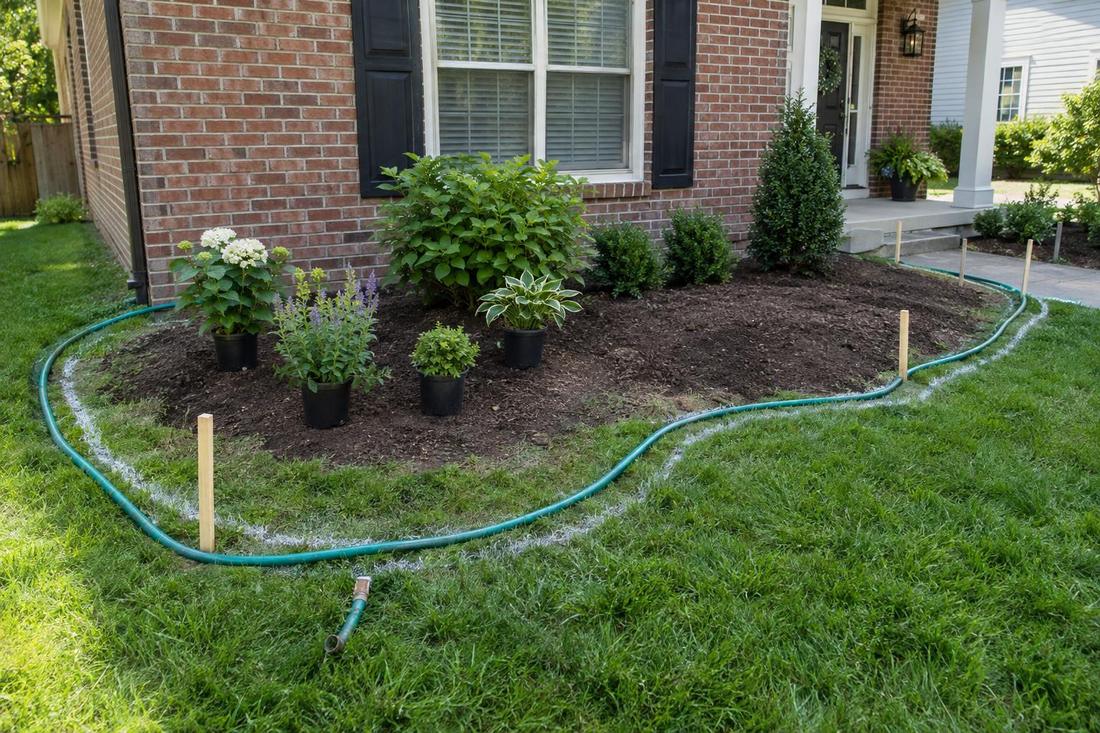
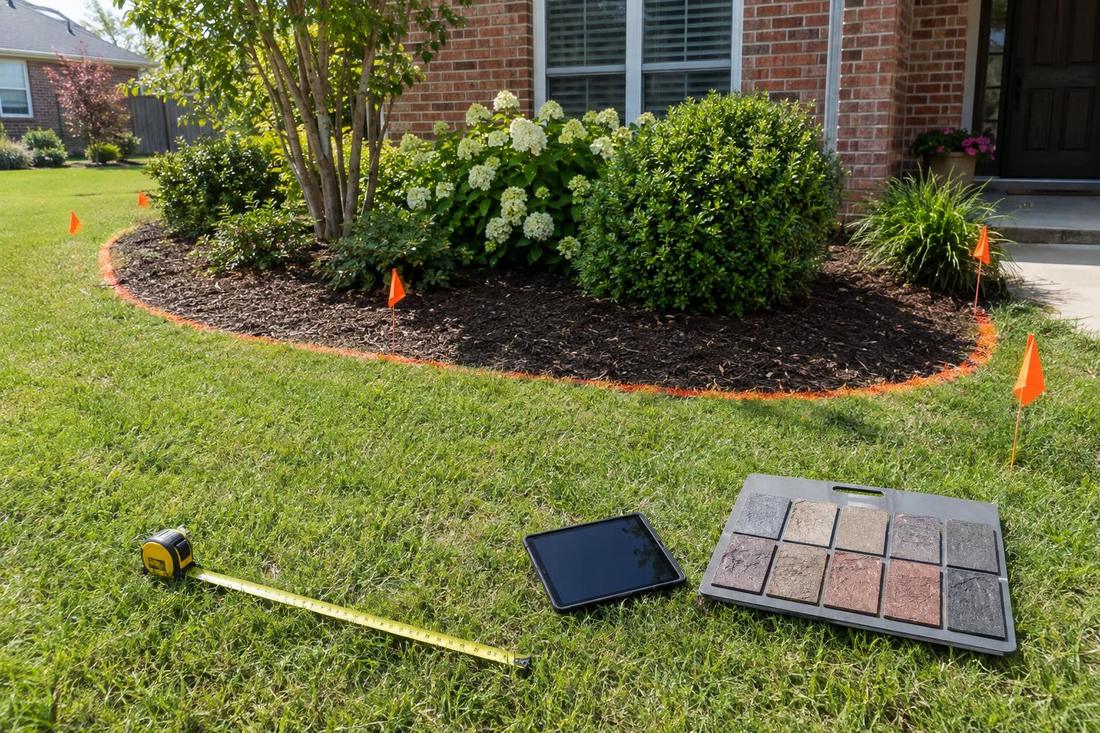
A good contractor wants to see the yard. They look at the beds, the drive, the slope and the drainage, ask how you use the space and mark a layout on the ground so you can walk it. A proposal written without a visit is a guess, and a guess can miss problems that change the plan.
Ask what they noticed and what might change the design.
Look at older work
New curbing always looks good. Ask to see curbing that has been through a few winters and summers. Look at cracks, color fading, chipped corners and whether the edge still looks crisp. That tells you more about the base and the concrete than a photo of fresh work.
Ask what base and mix they use and how they cure and seal the curb.
Check licensing and insurance
Contractor licensing in Tennessee depends on the size and type of the work, so ask what applies to your project. Ask for proof of liability insurance and, if the contractor has employees, workers compensation. A reliable contractor shares this without fuss.
You can look up a contractor license through the state licensing board.
Compare scopes, not only totals
Two proposals can look alike and differ a great deal. A clear scope lists the length of curb, the shape, the profile, the pattern, the color, the base, drainage gaps, sealing, cleanup and who handles approvals. Around Nashville and across Middle Tennessee, a contractor who explains the plan plainly and answers questions directly is usually a good sign.
Ask how changes are handled once work has started.
Official sources and further reading
- Tennessee Board for Licensing Contractors
- Better Business Bureau
- National Association of Landscape Professionals
These are independent organizations. Links open in a new tab.
Quick answers
Should I get more than one proposal?
For larger projects, yes. Compare what is included and how the work will be done, not only the totals.
Do I need to be home during the pour?
It helps at the start to confirm the line. It is not required once the plan is clear.