Key takeaways
- Mulch holds moisture, slows weeds and protects roots, but depth and placement matter.
- Hardwood and bark mulch break down and feed the soil, while stone lasts longer.
- Living groundcovers fill beds and need less mulch once established.
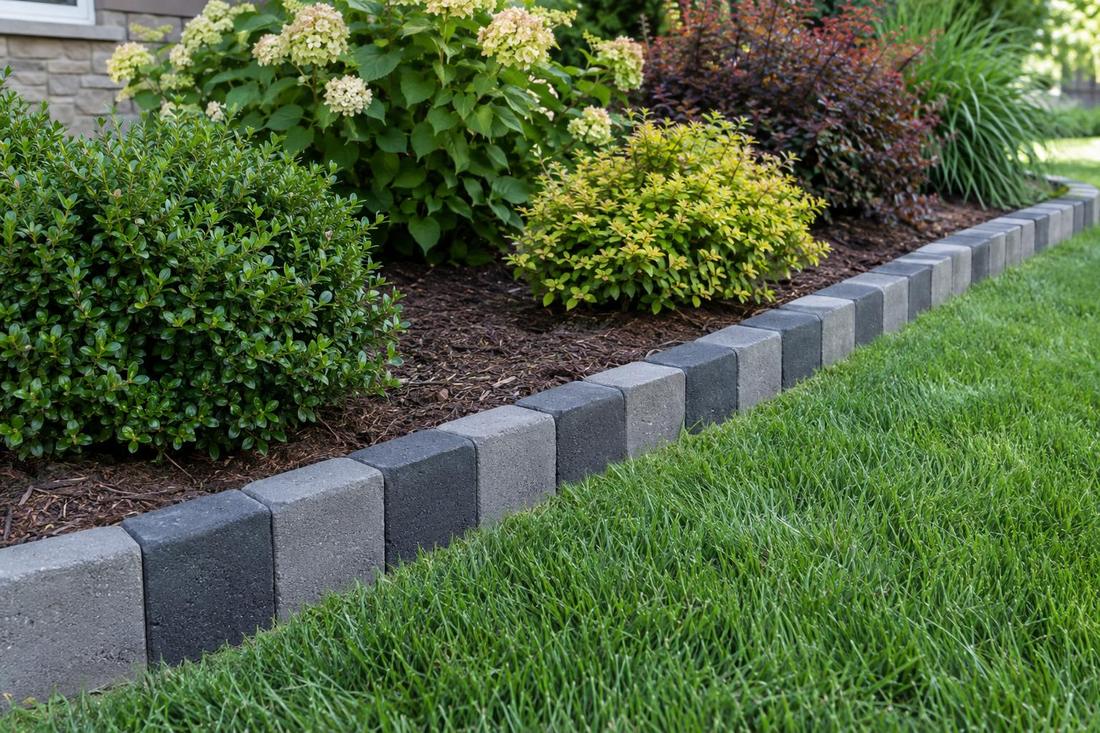
- Keep mulch below the top of the curb so it does not wash out.
Hardwood and bark
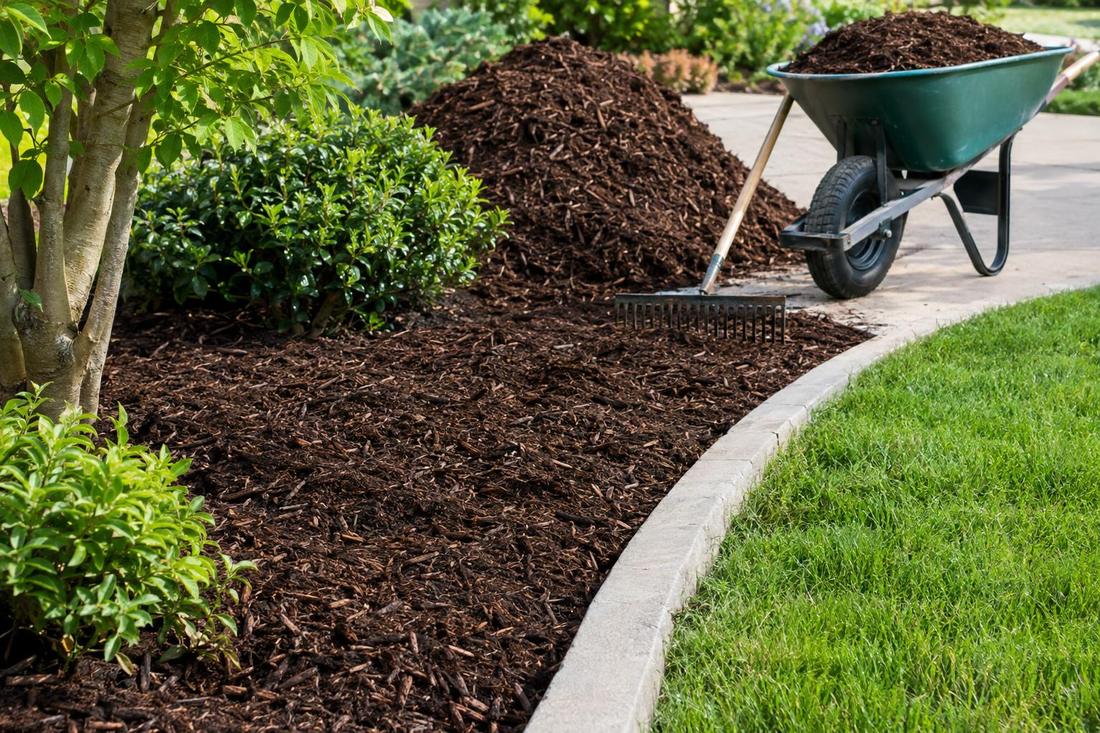
Shredded hardwood and pine bark are common, widely available choices. They knit together and stay put on slopes, and they feed the soil as they break down. They need topping up each year or two. Dyed mulches hold color but may fade.
Spread two to three inches and keep it off stems and trunks.
Stone and gravel
Stone mulch does not rot or float away and suits low-water beds and beds near drip lines. It can get hot in full sun and is harder to clean of leaves. Use landscape fabric and a strong edge so stone does not mix with soil.
Avoid stone around plants that need cool roots.
Living groundcovers
Low plants such as creeping sedum, mondo grass and ajuga cover soil and reduce weeds. They need care until established. In shade, many groundcovers do well, and a curb keeps them from creeping into the lawn.
Combine groundcovers with a thin mulch layer while they grow.
Edges and depth
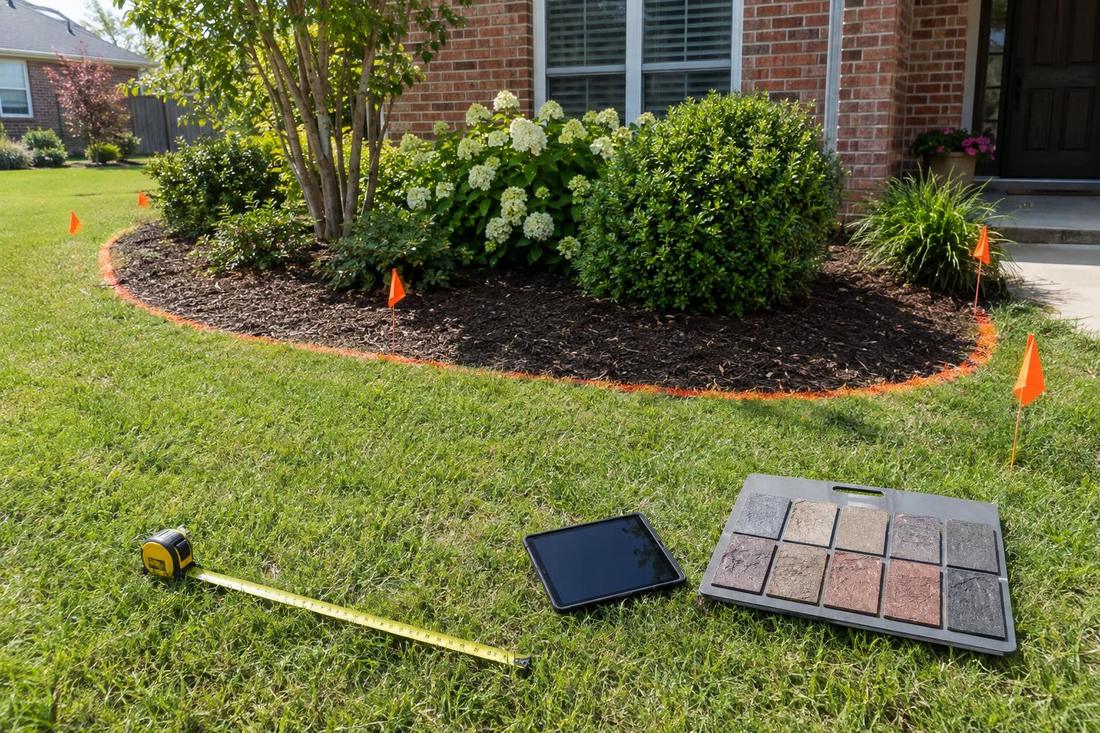
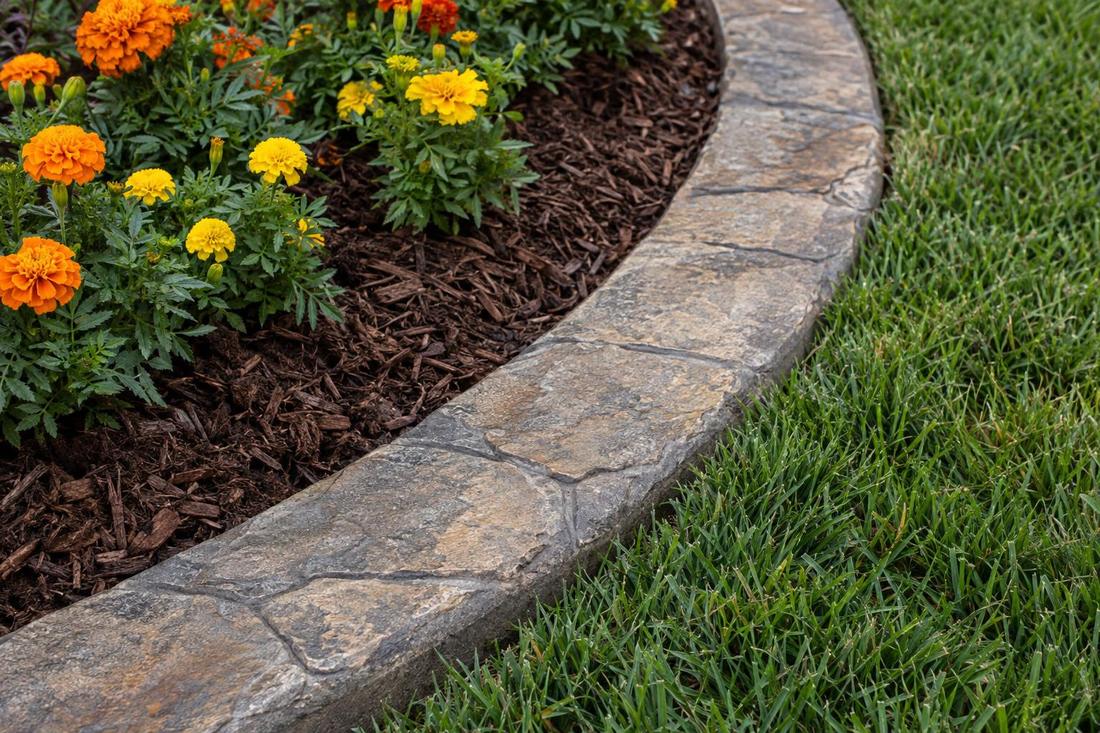
A curb sets the maximum height of mulch. Fill to just below the top so material stays in. Refresh yearly, and fluff or turn old mulch rather than piling new on top.
Check drainage gaps are clear after storms.
Official sources and further reading
- University of Tennessee Extension
- National Association of Landscape Professionals
- Arbor Day Foundation
These are independent organizations. Links open in a new tab.
Quick answers
How much mulch do I need?
A cubic yard covers roughly one hundred square feet at three inches deep. Your contractor can calculate it.
Does mulch attract termites?
Mulch alone does not, but keep it a few inches away from siding and wood.