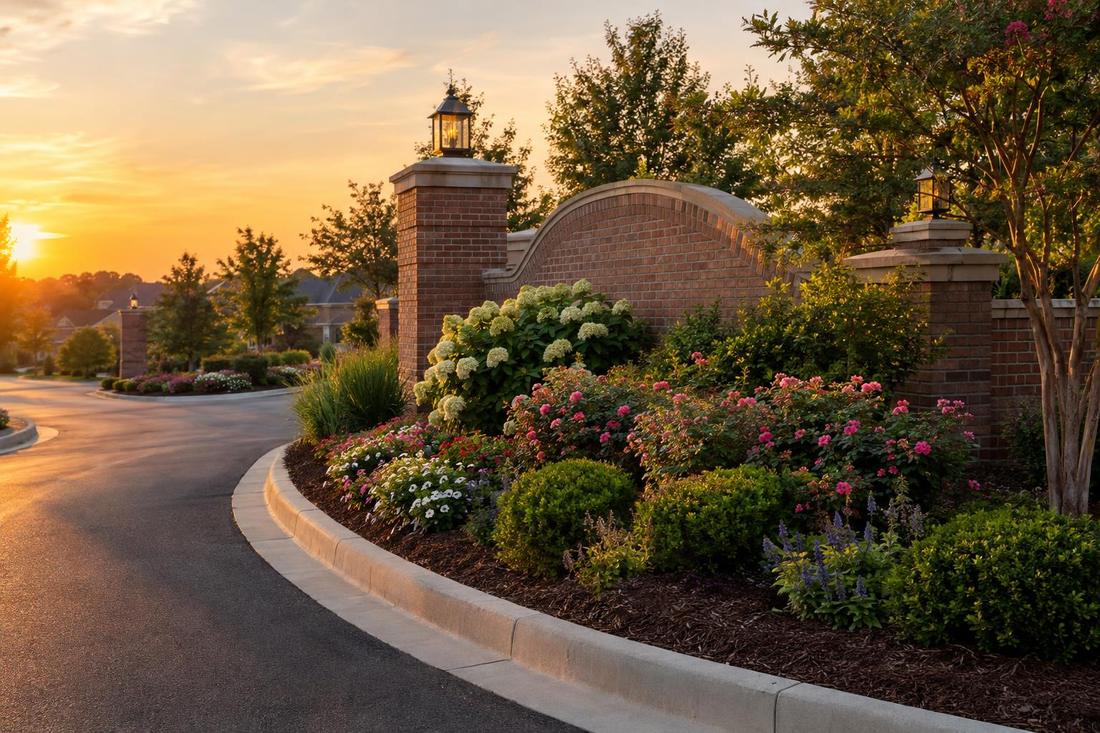
Key takeaways
- Share a sketch and samples with the board early and keep approvals in writing.
- Phase work so entrances, lots and walks stay usable.
- Heavier curbs are needed where vehicles touch the curb.
- Choose finishes your grounds crew can maintain.
Define the scope
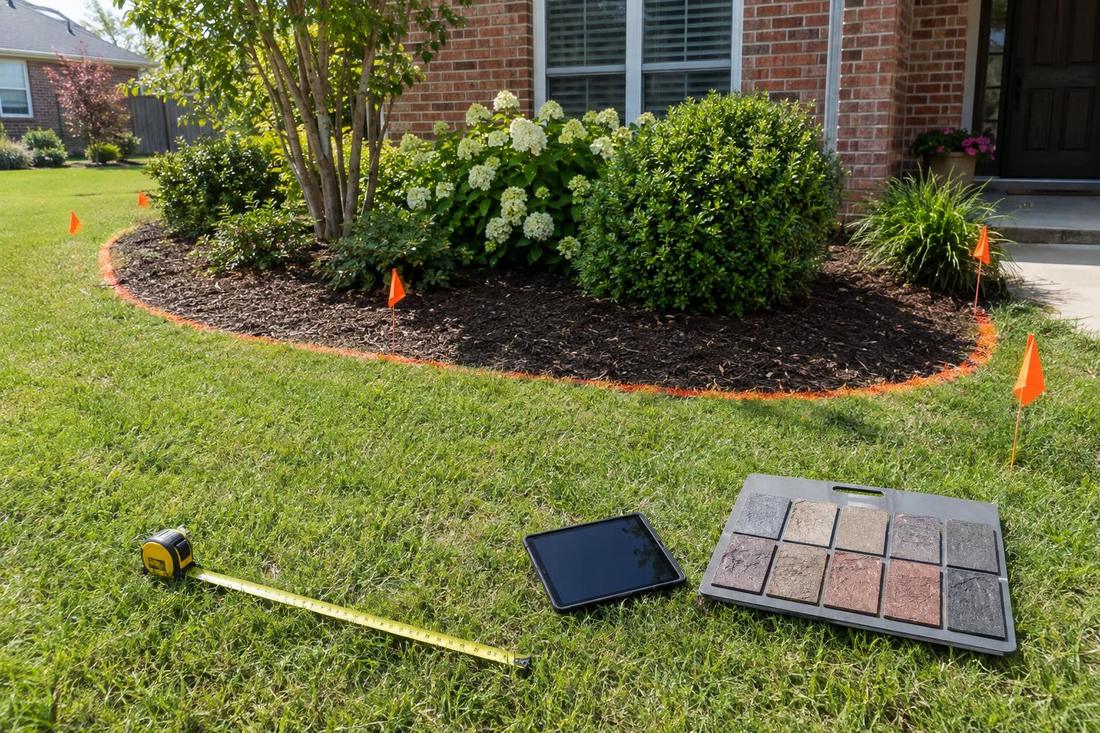
List the areas, the length of curb, the profile and the finish. Walk the property with the contractor and mark the lines. Decide which areas are decorative and which need heavy-duty curbs for traffic. A clear scope makes proposals comparable.
Photograph existing conditions before work starts.
Approvals and samples
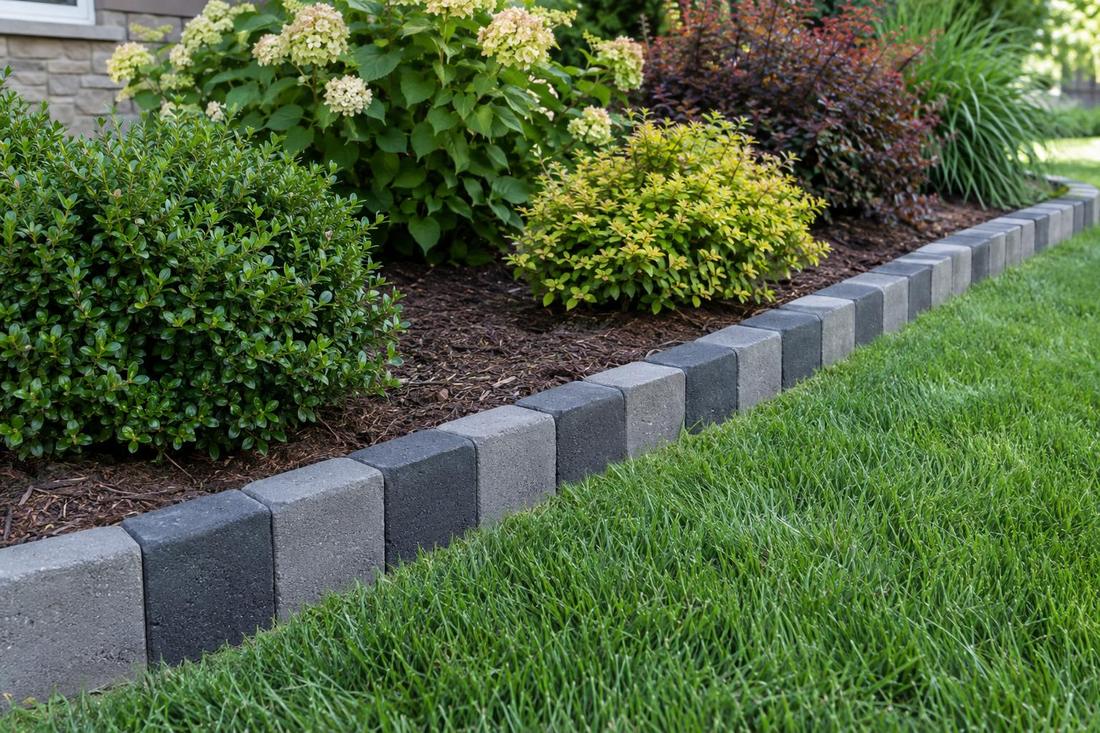
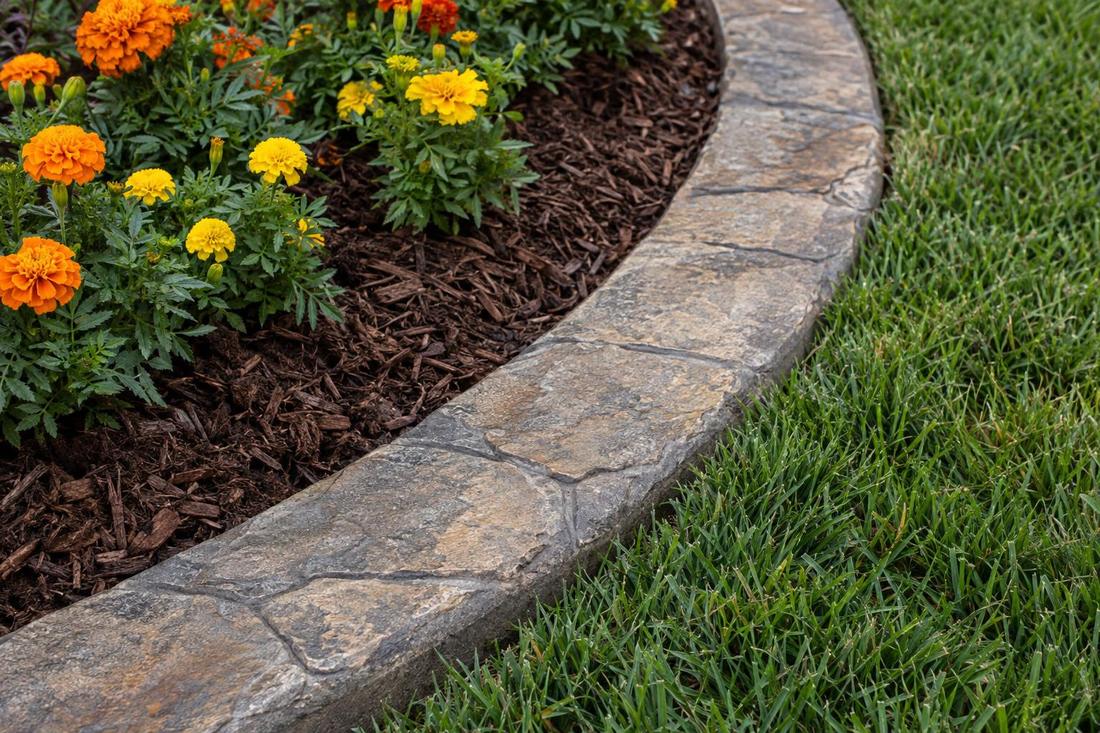
Boards often want to see color and pattern samples and a sketch. Neutral tones are easiest to approve. Document approvals so future boards know what was decided. A pilot section can help.
Check city rules for work near streets and utilities.
Phasing and safety
Work in phases so entrances stay open and residents or customers can reach buildings. Barriers and signs protect the public around fresh concrete. Schedule noisy work for suitable hours.
Ask how the contractor will communicate with residents or tenants.
Maintenance planning
Pick finishes and sealers that suit your crew, and write down care tasks. Include repair plans for vehicle damage. A short annual inspection keeps small issues from growing.
Plan lighting and irrigation sleeves up front.
Official sources and further reading
These are independent organizations. Links open in a new tab.
Quick answers
Can work be done in phases as budget allows?
Yes. Plan the whole project and build it in stages.
What curb profile is best for lots?
Taller, heavier profiles suit vehicle contact, while low profiles suit walks and beds.