Key takeaways
- Rinse and brush the curb a few times a year to remove soil, pollen and mildew.
- Reseal when water stops beading on the surface.
- Fill cracks early with a flexible filler.
- Keep deicing salts and heavy equipment off the curb.
Spring
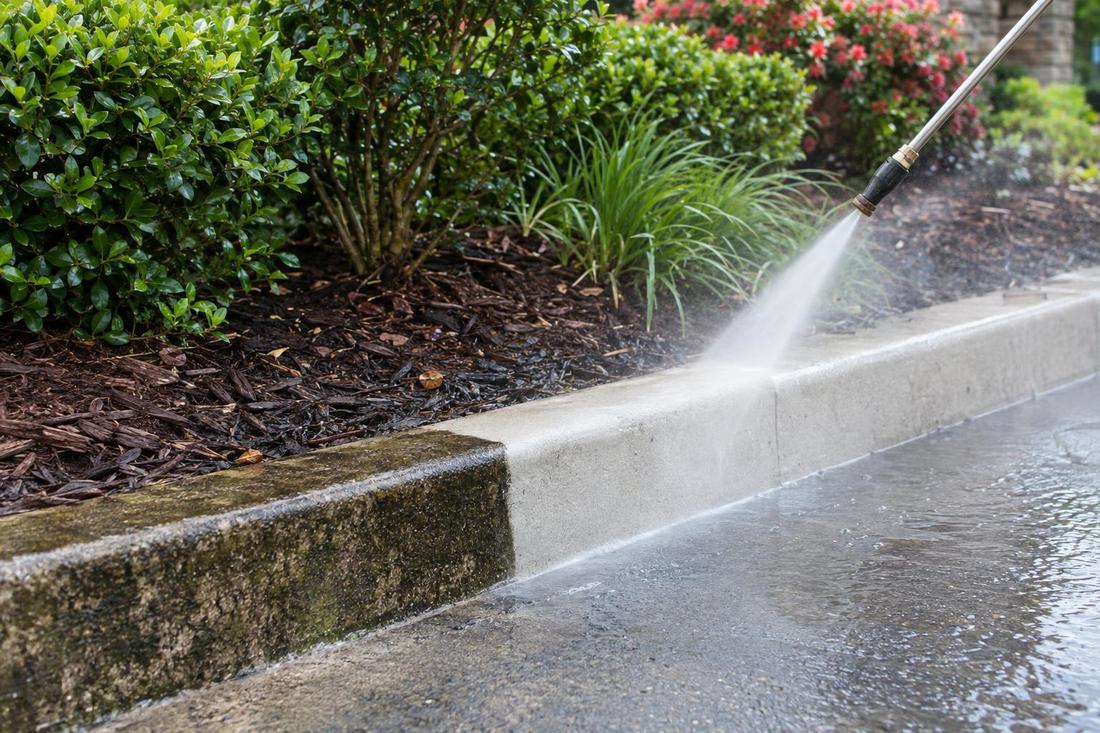
Look for winter damage, such as new cracks or chips, and clean off soil and leaves. A gentle wash with a hose and a soft brush is usually enough. Check that drainage gaps are clear so spring rain can leave the beds.
Spring is a good time to book any repair work.
Summer
Keep mowers and trimmers from striking the curb, which can chip edges. Remove weeds that push through joints. If the color looks dull, a new sealer coat can refresh it.
Water new plantings, but avoid steady spray on the curb.
Fall
Clear leaves, which can stain and hold moisture. Patch cracks before winter so water does not freeze inside them. Consider resealing in a dry, mild spell.
Leave mulch below the top of the curb.
Winter
Avoid rock salt and harsh deicers near the curb, which can damage the surface. Shovel snow gently without striking the edge. Plan next year projects while the yard is quiet.
A few hairline cracks are normal.
Official sources and further reading
- American Concrete Institute
- University of Tennessee Extension
- National Association of Landscape Professionals
These are independent organizations. Links open in a new tab.
Quick answers
How often should I reseal?
Every few years is common, depending on sun and wear. Water that no longer beads is a sign.
Is a pressure washer safe?
Use low pressure and a wide tip so the surface is not etched.